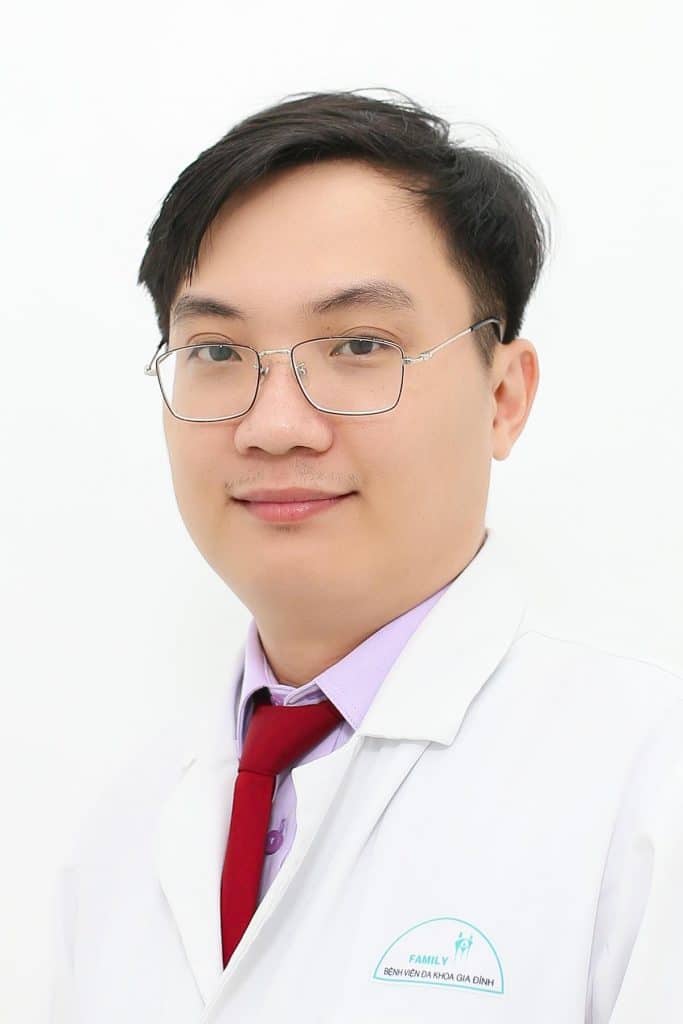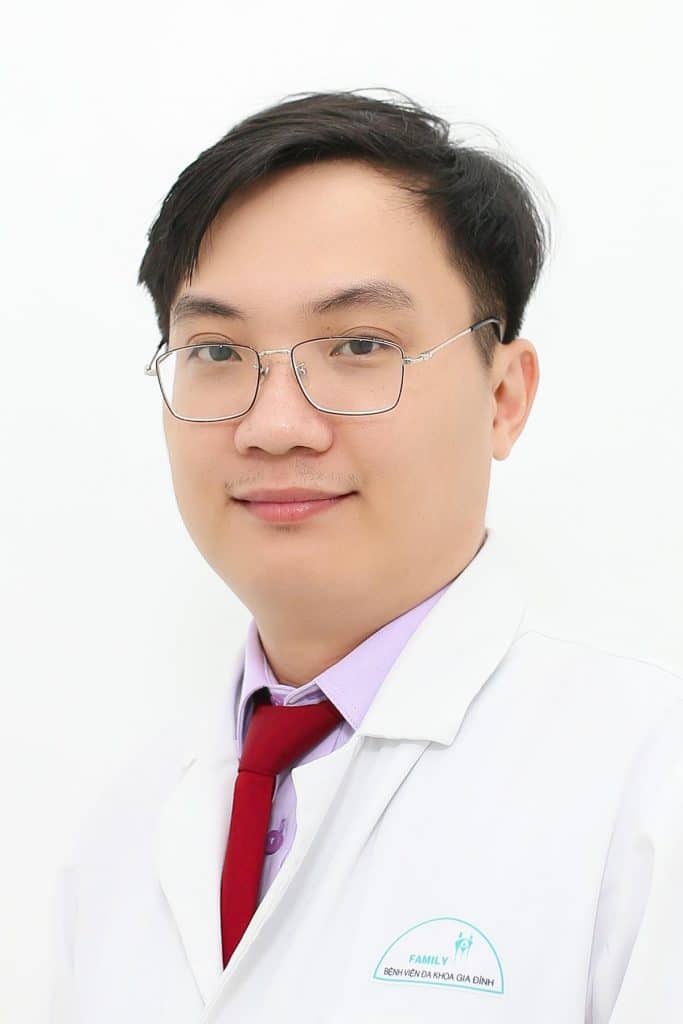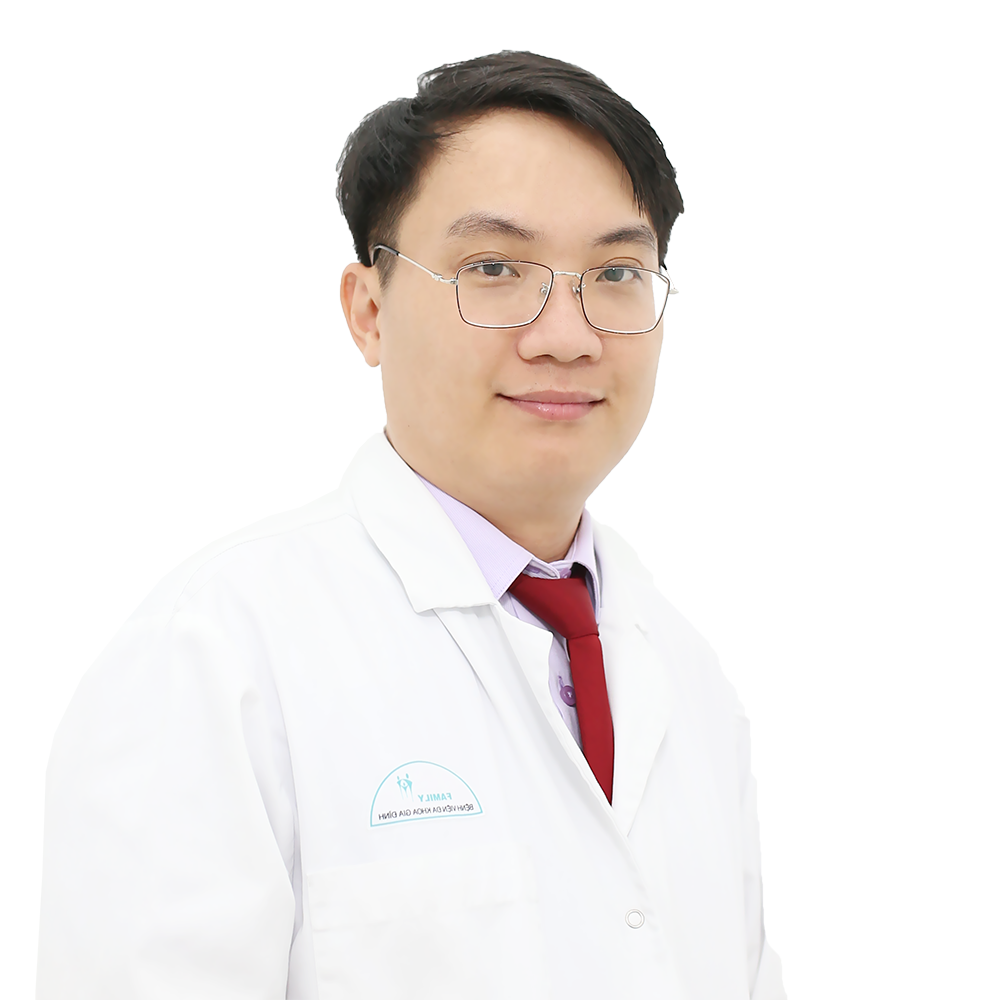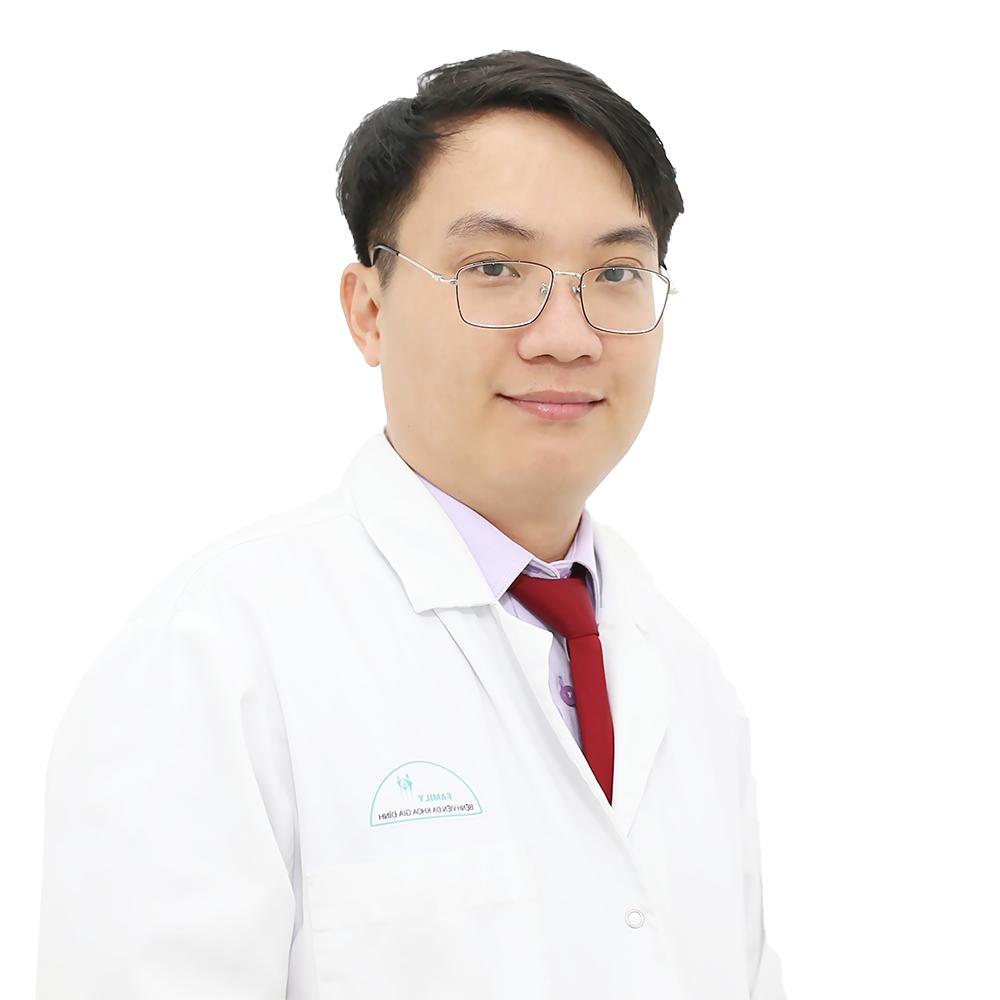
Author & Medical Reviewer: Dr. Dang Phuoc Dat (Bs CKI Đặng Phước Đạt) – Specialist Level I in Urology, Andrology & Reconstructive Surgery | Updated: October 22, 2026
When benign prostatic enlargement progresses to severe urinary hesitancy, sleep-disrupting nocturia, or acute retention, patients and their families considering enlarged prostate BPH surgery Da Nang naturally want clarity on three practical questions: Why have medications stopped working? Is anesthesia safe for seniors with lung or heart conditions? And what does the day-by-day hospital stay look like?
Quick Clinical Summary: Quick Clinical Summary: Enlarged prostate (BPH) surgery at Family Hospital Da Nang is a scarless transurethral procedure (Bipolar TURP or Laser HoLEP) performed under gentle selective spinal anesthesia—allowing patients to breathe spontaneously and remain comfortable without general intubation. Supervised by Dr. Dang Phuoc Dat, the structured 3-to-4-day hospital pathway restores strong urinary flow and protects long-term bladder contractility.
1. Why Does a 35g Prostate Sometimes Need Surgery While a 70g Prostate Does Not?
A common question in Dr. Dang Phuoc Dat’s clinic is why two men with different prostate sizes experience opposite medication outcomes. The answer lies in 3D anatomical configuration and bladder muscle health:
- The ‘Ball-Valve’ Median Lobe (Intravesical Prostatic Protrusion – IPP): When hyperplasia grows predominantly in the median lobe protruding upward into the bladder neck (Grade III IPP > 10 mm on ultrasound), it acts like a mechanical check-valve. Every time the bladder contracts to void, urinary pressure slams the median lobe shut over the urethral opening, rendering alpha-blocker pills ineffective.
- Preserving the Detrusor Muscle: Chronic high-pressure obstruction forces the bladder wall (detrusor muscle) to thicken, form fibrous trabeculations and diverticula, and eventually lose its contractile power (detrusor underactivity). Timely endoscopic unblocking preserves lifelong bladder contractility.
4-Day Inpatient Roadmap for Endoscopic BPH Surgery at Family Hospital Da Nang
| Hospital Day | Clinical Milestones | Patient Experience & Comfort |
|---|---|---|
| Day 1 (Admission & Surgery) | Blood panel, PSA, urine culture, echocardiogram, uroflowmetry, anesthesia review, and 45–60 min endoscopic surgery | Painless low-dose spinal anesthesia (awake & breathing naturally); continuous saline bladder irrigation overnight |
| Day 2 (Early Recovery) | Saline irrigation stopped as urine clears; normal meals resumed and early bedside ambulation | Zero incision pain (no skin cuts); eating normal soft diet and drinking fluids |
| Day 3 (Catheter Removal) | Urethral catheter removed in the morning; spontaneous voiding trials and ultrasound PVR check | Voiding freely with a strong stream; walking comfortably around the ward |
| Day 4 (Discharge) | Final specialist review, home recovery instructions, medications, and pathology follow-up appointment | Discharged home to resume light daily activities |
4-Day Inpatient Roadmap for Endoscopic BPH Surgery at Family Hospital Da Nang
| INTERNATIONAL CLINICAL CARE PATHWAY: ENLARGED PROSTATE BPH SURGERY DA NANG | ||
|---|---|---|
| 1. PRECISION DIAGNOSTICS | 2. PERSONALIZED THERAPY | 3. RECOVERY & AFTERCARE |
|
• 1-on-1 Specialist Evaluation • High-Resolution CT / Doppler Imaging • EAU / AUA Clinical Stratification Focus: Benign Prostatic Hyperplasia (Enlarged Prostate / BPH) |
• Minimally Invasive Priority • Organ & Neurovascular Preservation • Strict Sterile Hospital OR Standards Modality: Intravesical Prostatic Protrusion (IPP > 10 mm Ball-Valve Effect) |
• Rapid Return to Travel & Work • Direct International Insurance Billing • Long-Term Recurrence Prevention Key Entity: Detrusor Muscle Hypertrophy & Decompensation |
| Dr. Dang Phuoc Dat • Da Nang Urology – Andrology – Aesthetic Center (162 Te Hanh, Hoa Xuan, Da Nang) • Zalo/Phone/WhatsApp: 07777 43 777 | ||
2. Selective Spinal Anesthesia: Respiratory & Cardiac Safety for Seniors
Many families hesitate to schedule prostate surgery out of fear that an elderly relative will struggle to wake up from general anesthesia. In modern urology, endoscopic BPH surgery does not require general endotracheal anesthesia:
- Low-Dose Selective Spinal Anesthesia: The anesthesiologist administers a micro-dose of local anesthetic in the lumbar subarachnoid space, numbing only the lower pelvis for 2–3 hours.
- Key Safety Benefits: The patient breathes 100% naturally on their own throughout the procedure, avoiding mechanical ventilation—making it exceptionally safe for seniors with Chronic Obstructive Pulmonary Disease (COPD), asthma, or mild heart failure.

3. Transparent Cost Structure & Insurance Coverage in Da Nang
At Family Hospital Da Nang, total surgical packages are transparent and tailored to prostate size:
- Bipolar TURP in Saline (30–80 g): Highly cost-effective, utilizing reusable bipolar plasma loops and covered extensively by both Vietnamese National Health Insurance (BHYT) and international medical insurance.
- Holmium Laser Enucleation HoLEP (> 80 g): Incorporates high-power laser fiber and tissue morcellator consumables, delivering faster catheter removal and eliminating open surgery for massive glands.
Clinical Red Flags: When to Seek Immediate Urological Care
URGENT MEDICAL RED FLAGS:
- After returning home, keep your urine pale yellow by drinking 2–2.5 liters of water daily. Contact Dr. Dang Phuoc Dat immediately if you notice recurrent difficulty urinating, a sudden drop in stream caliber, bright red blood clots, or fever.
- Avoid sitting on hard bicycle saddles or straining at stool during the first 4 weeks.
Clinical Perspective from Da Nang: Clinical Perspective from Da Nang: Beware of aggressive advertisements claiming that herbal supplements (Saw Palmetto / Serenoa repens) can ‘melt away an 80-gram enlarged prostate.’ In clinical pharmacology, phytotherapy offers only mild anti-inflammatory relief for early symptoms, and even prescription 5α-reductase inhibitors (Dutasteride/Finasteride) taken for 6–12 months shrink prostate volume by at most 20%–25%—they cannot resolve severe mechanical median-lobe obstruction.
Frequently Asked Questions (International Patient Guide)
Question 1: Does benign prostatic hyperplasia (BPH) turn into prostate cancer?
No. BPH and prostate cancer are two distinct biological conditions arising in different zones of the gland (BPH grows in the central transition zone around the urethra, while prostate cancer typically arises in the outer peripheral zone). However, because both conditions occur in older men, serum PSA is always tested preoperatively.
Question 2: Can I undergo endoscopic BPH surgery if I take blood thinners for a heart stent?
Yes. Our cardiology, anesthesia, and urology teams coordinate a safe perioperative bridging protocol and prioritize Holmium Laser Enucleation (HoLEP) for its superior pinpoint vascular sealing.
Question 3: How long after BPH surgery do urinary urgency and mild burning completely disappear?
Obstructive symptoms (weak stream and straining) resolve immediately upon catheter removal on Day 2–3. Mild urinary urgency or terminal stinging—caused by normal mucosal healing inside the prostatic fossa—subsides progressively over 2 to 4 weeks.
Clinical References & International Guidelines
- European Association of Urology (EAU): EAU Guidelines on Urolithiasis, Management of Non-Neurogenic Male LUTS, Sexual and Reproductive Health, and Prostate Cancer (2025–2026 Edition).
- American Urological Association (AUA): AUA Clinical Practice Guidelines on Kidney Stones, Benign Prostatic Hyperplasia (BPH), Erectile Dysfunction, and Peyronie’s Disease.
- Ministry of Health of Vietnam: National Clinical Guidelines on Diagnosis and Treatment in Urology and Andrology.
- International Society for Sexual Medicine (ISSM) & WPATH: Standards of Care for the Health of Transgender and Gender Diverse People, Version 8 (SOC-8).
Medical Disclaimer: This clinical guide is authored and medically reviewed by Dr. Dang Phuoc Dat (Specialist Level I in Urology & Andrology) based on current international urological guidelines for patient education. It does not substitute for an in-person clinical examination, diagnostic imaging, or individualized surgical consultation.
International Patient Consultation & Booking with Dr. Dang Phuoc Dat in Da Nang
- Attending Specialist: Dr. Dang Phuoc Dat (Bs CKI Đặng Phước Đạt) – Specialist Level I in Urology, Andrology & Reconstructive Plastic Surgery
- Private Home Clinic: Da Nang Urology – Andrology – Aesthetic Center (Trung tâm Tiết niệu – Nam khoa – Thẩm mỹ Đà Nẵng) – Address: 162 Te Hanh Street, Hoa Xuan, Da Nang
- Hospital Practice: Department of Surgery – Family Hospital Da Nang (73 Nguyen Huu Tho Street, Hai Chau District, Da Nang)
- Zalo / Phone / WhatsApp: 07777 43 777 (International: +84 777 743 777)
- Facebook: fb.com/bsdangphuocdat
- YouTube: youtube.com/bsdangphuocdat
- Website: bacsidanang.com (Specialized Portals: tuyentienliet.com | chuyengioi.vn | phauthuatrobot.com)
- Doctor’s Schedule Updates & Medical Channel: https://www.messenger.com/channel/bsdangphuocdat